


Dubai Hosts Global Leaders at Future of Mobility Forum 2026
Dubai, 4th February 2026 – The Future of Mobility Forum convened as part of the World Governments Summit 2026, drawing together government representatives, executive decision-makers, and leading experts in technology and mobility from across the world. Discussions centered on the rapid changes reshaping the transport sector and highlighted the roles of innovation, artificial intelligence, and sustainability in redefining mobility systems for the cities of the future.
The forum established itself as a global platform for sharing insights on policies, technologies, and operational models that will drive the next era of land and aerial transport. Participants explored strategies to enhance the quality of life and support the goals of sustainable development worldwide.
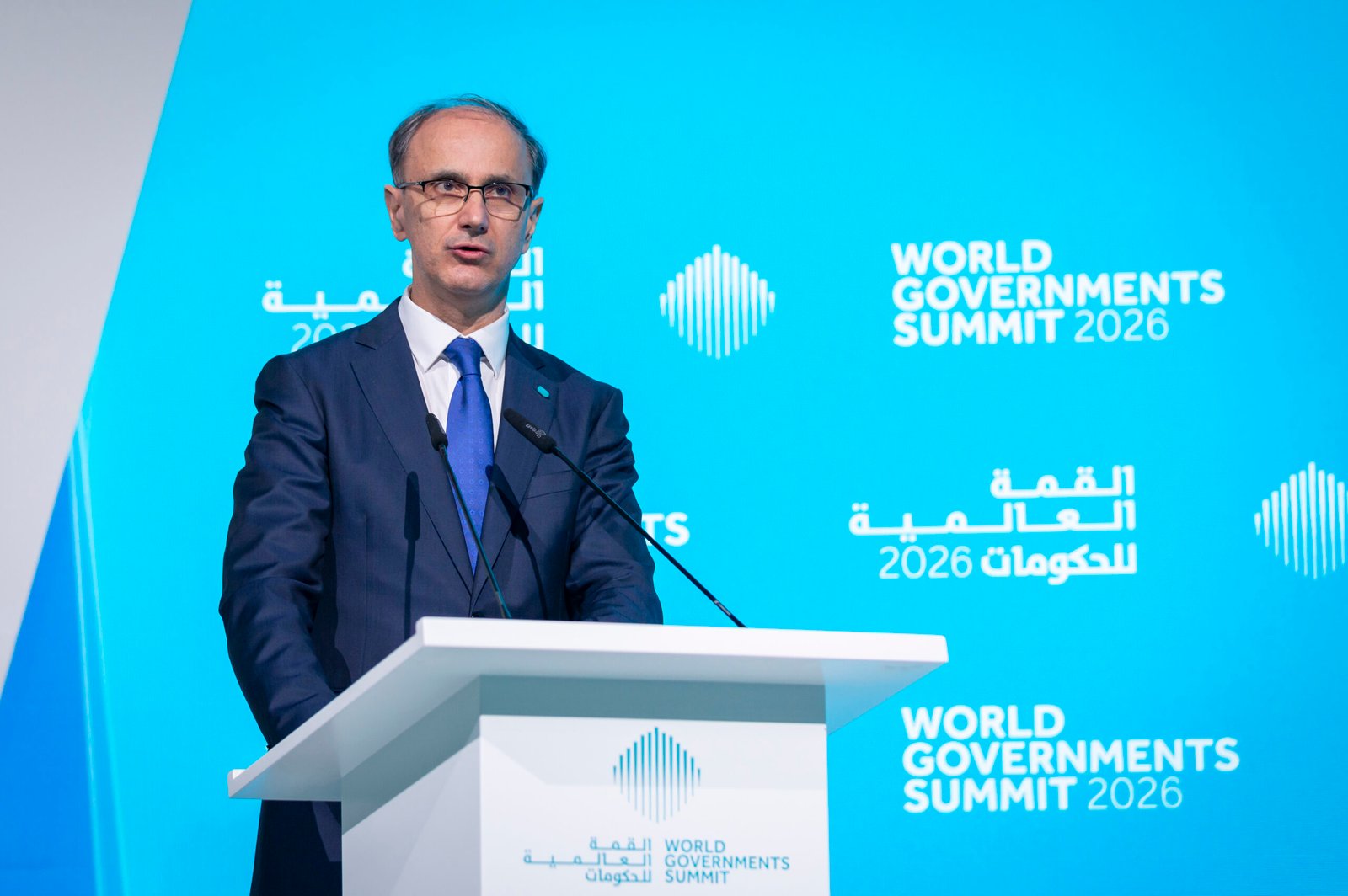
Among the high-profile attendees were His Excellency Ðuro Macut, Prime Minister of the Republic of Serbia, who delivered a main address, and His Excellency Mattar Al Tayer, Director General and Chairman of the Board of Executive Directors of Dubai’s Roads and Transport Authority (RTA). The forum’s agenda included sessions on government readiness for Autonomous Intelligence and panel discussions such as “Who Decides Who Moves?”, exploring the vital role of policymaking in shaping the future of inclusive transportation.
A notable panel, titled “Are We Ready for Aviation’s Next Shockwave?”, featured a distinguished lineup from the aviation sector: Anko van der Werff (CEO, Scandinavian Airlines), Deborah Flint (President and CEO, Greater Toronto Airports Authority), Roberto Alvo (CEO, LATAM Airlines Group), and Abdelhamid Addou (CEO, Royal Air Maroc).
In his opening address at the forum, Mattar Al Tayer stated:
“The world is at a pivotal moment where mobility is no longer merely about moving from one place to another, but has become a reflection of how cities live, grow, and respond to economic, technological, and environmental transformations. With more than half of the global population already residing in urban areas—and this share projected to rise to 70% by 2050—the scale of pressures, challenges, and opportunities associated with how people move continues to intensify.”
He added:
“Mobility systems worldwide are undergoing a comprehensive transformation driven by advanced technologies, a firm commitment to sustainability, and bold leadership. Dubai stands among the leading cities that have translated this transformation into reality. We have moved beyond traditional transport models to adopt smart and advanced solutions, including autonomous vehicles, which are set to become an integral part of the city’s daily life.”
Al Tayer also highlighted the importance of the transition to zero-emission transport, the role of artificial intelligence in enhancing traffic efficiency and safety, and the potential of autonomous systems to deliver more inclusive mobility for all segments of society.
“**Dubai does not merely keep pace with global mobility transformations—despite residents allocating more than 9% of their income to mobility—but actively contributes to shaping them through the adoption of smart and advanced solutions. We apply early foresight to anticipate future needs and have positioned Dubai as a global living laboratory for the future of mobility.**”
He emphasized that Dubai is preparing for a new phase in the mobility ecosystem, envisioning a future where a significant share of trips will be autonomous, public transport will operate on clean energy, and infrastructure will support a 20-minute city concept. New modes of ground and aerial transport will further enhance urban connectivity, ensuring seamless movement throughout the city.
Held under the theme “Shaping the Governments of the Future,” the World Governments Summit 2026 is attended by more than 60 heads of state and government, 500 ministers, 150 government representatives, over 80 international and regional organizations, more than 700 CEOs, and over 6,250 participants from around the globe.
Team V.4-EM-UAE